
The Women’s March and the Body of Christ
“My body, my choice” and “This is My Body.” As I heard this last phrase, I suddenly realized Jesus said something similar.

“My body, my choice” and “This is My Body.” As I heard this last phrase, I suddenly realized Jesus said something similar.

Alaska’s highest ranking Catholic prelate who leads 30,000 Catholics in Southcentral Alaska — Anchorage Archbishop Paul Etienne — has called doctor-prescribed suicide “a violation of principles of good medicine.”

Led by military chaplain Father Peter Pomposello and St. Andrew Church youth minister Ricky Shoop, from Eagle River, five Alaskan youth and one adult chaperone traveled more than 4,000 miles to the nation’s capital to take part in the 44th annual March for Life on Jan. 27
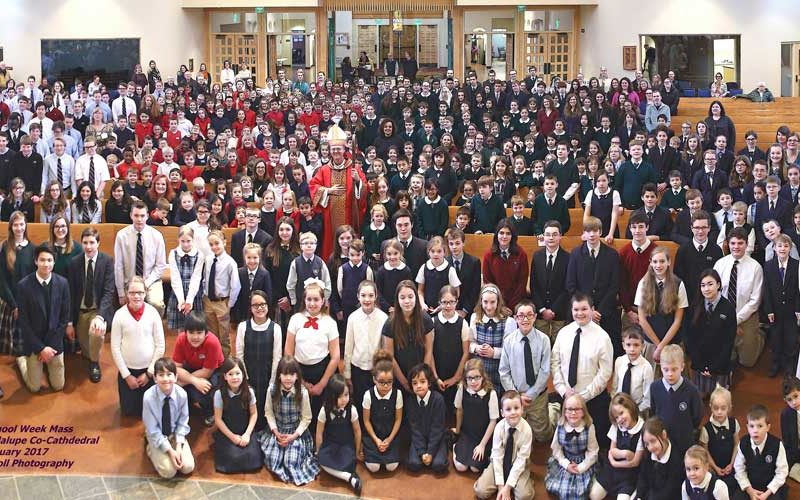
Archbishop Etienne’s homily for this year’s Catholic Schools Mass focused on the Sermon on the Mount, wherein Jesus tells the crowd that the humble, meek and lowly and poor will enter into the Kingdom of Heaven. The reading ended with Jesus telling his followers that they would suffer because of their faith in him.
Is it possible to love and pray for those who offend us — even our enemies? Is it possible to suffer and find blessings even in persecution? I know of four people on the way to sainthood in the United States who exude such hope.

My friend’s ministry to the undocumented in prison had led her to befriend this man, who had been beaten and threatened by members of El Shabaab, a jihadist terrorist group based in Somalia. My friend offered her home to the man while he awaits another hearing on his asylum plea.
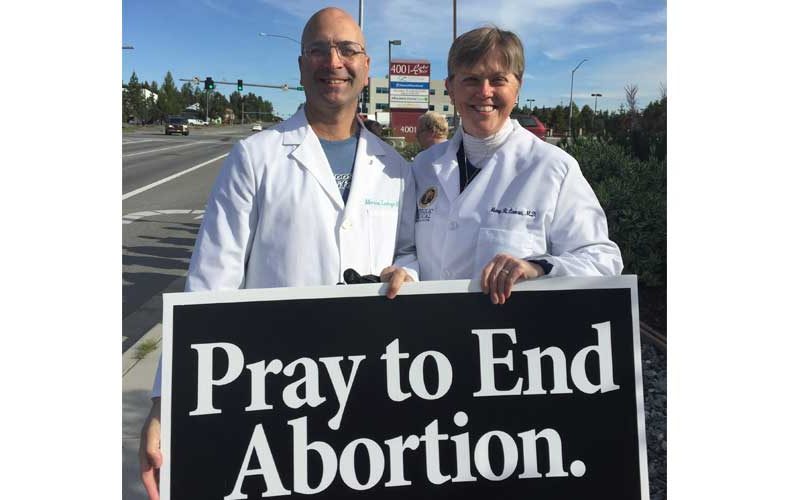
Planned Parenthood employees had seen many pro-life advocates outside their abortion clinic on Lake Otis Parkway in Anchorage. But in late August of 2015, two new figures appeared — a man and woman in unmistakably white medical coats, quietly praying the rosary with a larger group.
The point here is not to review general threats to Christian morality in Alaska but to call attention to a very specific challenge that should be on the radar of all parents, grandparents, uncles, aunts, godparents and others in positions of responsibility over today’s youth.
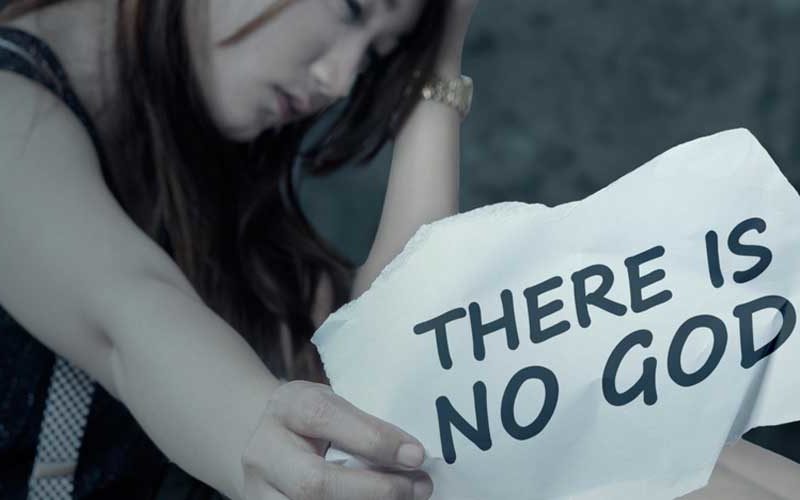
A new atheism is on the rise in the U.S. and it portends dangerous social consequences, according to Dominican Father Justin Gable, professor at Dominican School of Philosophy & Theology of Berkeley. Average atheists “are just not interested in God” the way their predecessors were, Father Gable told Alaskans last month.
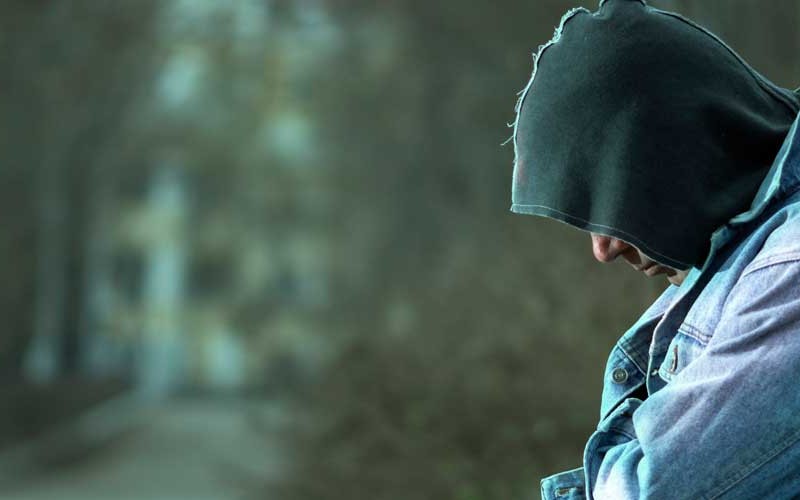
There is a new, groundbreaking partnership between Catholic Social Services and hospitals and health care providers in Anchorage, formed with the goals of improving health for the homeless, taking pressure off our health care and emergency services systems, and getting people into permanent housing.