
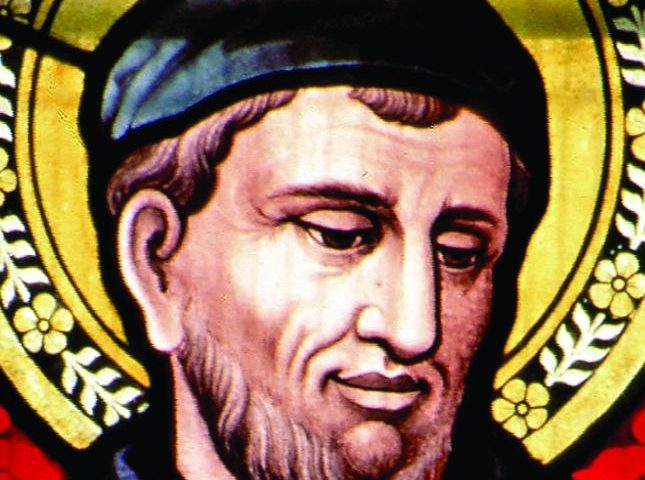
As a member of the Congregation of the Mission, or simply the Vincentians, which is the religious community of priests and brothers Saint Vincent de Paul founded in 1625, I am happy to share a little about Saint Vincent with you. But first, let me share my first encounter with this great patron saint of charity.
I was thirteen years old, searching for a high school seminary to help me discern this growing desire within me to become a priest. One day, in the back of my Catholic school’s 7th-grade classroom, I saw a flyer asking, “Interested in being a priest?” That question was followed by the invitation to learn about Saint Vincent de Paul and his priests and brothers during a weekend retreat at Saint Vincent’s Seminary High School in Montebello, California. So, I went.
That weekend changed my life. I discovered Saint Vincent through his priests, brothers, and seminarians. I learned of their love for the clergy, the poor, and those in great need. I was so enthralled by what I experienced that I went home and wrote the initials, “C.M.,” after my name, for “Congregation of the Mission,” which is the designation of a priest or brother of Saint Vincent de Paul, which I do to this day, and hold most dear.
The breadth of Saint Vincent’s life is so broad and deep that I can only attempt to convey some of what I think is his most important attribute: his heart. Saint Vincent is a much-needed saint today, just as he was in 17th-century France, because he is a true reflection of Jesus’ love for the poor, best summed up in Matthew 25, verse 40: “Amen, I say to you, whatever you did for one of these least brothers of mine, you did for me.”
Saint Vincent started his life like many of us, desiring prosperity for himself and his family. However, God had different plans for this good man, drawing on his intelligence, organizational skills, pastoral care, and faith. God placed him among the suffering people of France—the poor, the sick, and the vulnerable, including foundlings, a term applied to abandoned children, usually infants, left on the streets.
In 1617, while serving in the employ of General Philippe-Emmanuel de Gondi, Saint Vincent was urged by the General’s wife, Madame Françoise Marguérite de Gondi, to extend his ministry to her tenants on their estate for their spiritual care. During a sermon at the church of Folleville on the Feast of Saint Paul the Apostle, in which he preached on the necessity of the sacrament of confession, Saint Vincent spoke with similar eloquence and zeal to that of the Apostle to the Gentiles. As a result, so many people came to confession that he had to ask other priests for help.
Six months later, while serving as the parish priest in the town of Châtillon, a woman shared a story about a nearby family where every member was ill, and poverty made their living conditions unbearable. Once again, Saint Vincent preached a sermon, pleading for the welfare of this family. The response was overwhelming. Later in the day, as he went to visit the stricken family to hear confession and give Holy Communion, he saw many of his parishioners returning from their visit, having provided the family with an abundance of food. However, Saint Vincent realized much of the food would spoil in the heat. He convened the women of the parish to discuss how to assist this family and others in need, and together they organized a plan for aid. His sermon ignited the charity of Christ in the hearts of the laity and established organized charity.
His encounters with people suffering from poverty allowed him to love them as Jesus loves them. He saw the face of Christ in each person, regardless of their circumstances or behavior. He recognized their need for evangelization and a better quality of life, beyond merely surviving in misery. He began educating and forming the clergy earlier in his ministry for those purposes.
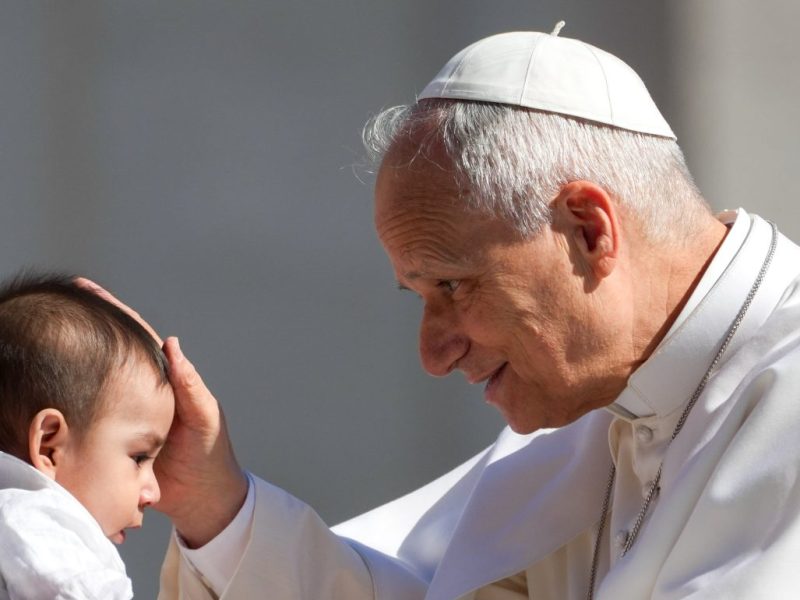
Pope Francis and Pope Leo have echoed Saint Vincent’s sentiments, emphasizing the importance of encountering the poor and those who suffer—the refugee, the immigrant, the sick, and so many others—by engaging with them eye to eye, through touch and conversation, recognizing the face of Christ in them, and being Christ to them.
Saint Vincent established the Confraternities of Charity by organizing laywomen to provide both spiritual and corporal assistance to the sick and impoverished, and he founded the Vincentian Fathers and Brothers to follow Christ, evangelizing the poor. With Saint Louise de Marillac, they founded the Daughters of Charity to serve persons who are poor. He used the synodal model long before our time, focusing on listening, discerning, and acting collectively for the good of all.
Two hundred years later, in 1833, Blessed Frédéric Ozanam and his companions founded the Society of Saint Vincent de Paul. Unsure how to serve the poor, they sought guidance from an experienced Daughter of Charity, Blessed Rosalie Rendu, D.C. They chose Saint Vincent as their patron.
Today, the Society of Saint Vincent de Paul in the United States alone is over 80,000 strong with about 4,000 conferences. In our archdiocese, there are conferences at Holy Family Parish in Anchorage, St. Michael Parish in Palmer, St. Bernard Parish in Talkeetna, and St. Paul the Apostle Parish in Juneau.
If you want to make a meaningful Catholic difference and seek holiness alongside friends in the service of those in need, I encourage you to join the Society of Saint Vincent de Paul. There may be a conference in your parish, so please speak with your parish priest. And if your parish doesn’t have a conference, the good news is that with the support of your bishop and pastor, and guidance from the national office, you can start one!
Through the intercession of Saint Vincent de Paul, may God bless us with deep love and charitable action for our brothers and sisters in need.
Como miembro de la Congregación de la Misión, o simplemente los Vicentinos, la comunidad religiosa de sacerdotes y hermanos de San Vicente de Paúl fundada en 1625, me complace compartir con ustedes un poco sobre San Vicente. Pero antes, permítanme contarles mi primer encuentro con este gran santo patrón de la caridad.
Tenía trece años y buscaba un seminario de nivel secundaria que me ayudara a discernir el deseo, cada vez mayor en mi interior, de llegar a ser sacerdote. Un día, al fondo del aula de séptimo grado de mi escuela católica, vi un folleto que preguntaba: “¿Te interesa ser sacerdote?”. Esa pregunta iba seguida de una invitación a conocer a San Vicente de Paúl y a sus sacerdotes y hermanos durante un retiro de fin de semana en el seminario de secundaria de San Vicente, en Montebello, California. Así que fui.
Aquel fin de semana cambió mi vida. Descubrí a San Vicente a través de sus sacerdotes, hermanos y seminaristas. Conocí su amor por el clero, por los pobres y por quienes más lo necesitaban. Quedé tan cautivado por lo que viví que, al volver a casa, añadí las siglas “C.M.” después de mi nombre —que significan “Congregación de la Misión” y designan a los sacerdotes o hermanos de San Vicente de Paúl—; una costumbre que mantengo hasta el día de hoy y que valoro profundamente.
La vida de San Vicente es tan vasta y profunda que solo puedo intentar transmitir lo que considero su atributo más importante: su corazón. San Vicente es un santo muy necesario hoy en día, tal como lo fue en la Francia del siglo XVII, pues es un fiel reflejo del amor de Jesús por los pobres, resumido perfectamente en el Evangelio de Mateo, capítulo 25, versículo 40: “En verdad les digo que cuanto hicieron a uno de estos mis hermanos más pequeños, a mí me lo hicieron”.
San Vicente comenzó su vida como muchos de nosotros, deseando prosperidad para sí mismo y para su familia. Sin embargo, Dios tenía planes distintos para este buen hombre, valiéndose de su inteligencia, su capacidad organizativa, su labor pastoral y su fe. Dios lo situó entre el pueblo sufriente de Francia: los pobres, los enfermos y los vulnerables, incluyendo a los niños expósitos, término que se aplica a los niños abandonados, generalmente bebés, que quedan en las calles.
En 1617, mientras estaba al servicio del general Philippe-Emmanuel de Gondi, la esposa del general, Madame Françoise Marguérite de Gondi, le instó a que extendiera su ministerio a los inquilinos de su finca para brindarles atención espiritual. Durante un sermón en la iglesia de Folleville, en la fiesta de San Pablo Apóstol, en el que predicó sobre la necesidad del sacramento de la confesión, San Vicente habló con una elocuencia y un celo semejantes a los del Apóstol de los Gentiles. Como resultado, acudió tanta gente a confesarse que tuvo que pedir ayuda a otros sacerdotes.
Seis meses más tarde, mientras ejercía como párroco en la localidad de Châtillon, una mujer le contó la historia de una familia vecina en la que todos los miembros estaban enfermos y la pobreza hacía insoportables sus condiciones de vida. Una vez más, San Vicente predicó un sermón apelando al bienestar de aquella familia. La respuesta fue abrumadora. Más tarde, al dirigirse a visitar a la familia afectada para confesarles y administrarles la Sagrada Comunión, vio a muchos de sus feligreses que regresaban de visitarlos, tras haberles llevado abundantes alimentos. Sin embargo, San Vicente se dio cuenta de que gran parte de la comida se echaría a perder con el calor. Convocó a las mujeres de la parroquia para hablar sobre cómo ayudar a esta familia y a otras personas necesitadas, y juntos organizaron un plan de asistencia. Su sermón encendió la caridad de Cristo en los corazones de los laicos y dio lugar a una caridad organizada.
Sus encuentros con personas que sufrían la pobreza le permitieron amarlas tal como las ama Jesús. Veía el rostro de Cristo en cada persona, independientemente de sus circunstancias o comportamiento. Reconocía su necesidad de evangelización y de una mejor calidad de vida, más allá de la mera supervivencia en la miseria. Comenzó a educar y formar al clero desde el principio de su ministerio con esos propósitos.
El papa Francisco y el papa León se han hecho eco de los sentimientos de San Vicente, subrayando la importancia de salir al encuentro de los pobres y de quienes sufren —refugiados, inmigrantes, enfermos y tantos otros—, mirándolos a los ojos, a través del contacto físico y la conversación, reconociendo en ellos el rostro de Cristo y siendo Cristo para ellos.
San Vicente estableció las Cofradías de la Caridad organizando a mujeres laicas para brindar asistencia tanto espiritual como corporal a los enfermos y a los necesitados, y fundó a los Padres y Hermanos Vicencianos para seguir a Cristo evangelizando a los pobres. Junto con Santa Luisa de Marillac, fundó las Hijas de la Caridad para servir a las personas pobres. Él empleó el modelo sinodal mucho antes de nuestra época, centrándose en escuchar, discernir y actuar colectivamente por el bien de todos.
Doscientos años más tarde, en 1833, el beato Federico Ozanam y sus compañeros fundaron la Sociedad de San Vicente de Paúl. Sin saber bien cómo servir a los pobres, buscaron orientación en una experimentada Hija de la Caridad, la beata Rosalía Rendu. Eligieron a San Vicente como su patrón.
Hoy en día, tan solo en los Estados Unidos, la Sociedad de San Vicente de Paúl cuenta con más de 80.000 miembros y cerca de 4.000 conferencias. En nuestra arquidiócesis, existen conferencias en la parroquia de la Sagrada Familia en Anchorage, la parroquia de San Miguel en Palmer, la parroquia San Bernardo en Talkeetna, y la parroquia de San Pablo Apóstol en Juneau.
Si desea marcar una diferencia significativa como católico y buscar la santidad junto a amigos al servicio de los necesitados, le animo a unirse a la Sociedad de San Vicente de Paúl. Es posible que haya una conferencia en su parroquia; por favor, hable con su párroco. Y si su parroquia no cuenta con una, ¡la buena noticia es que, con el apoyo de su obispo y de su párroco, y la orientación de la oficina nacional, usted puede fundar una!
Que, por intercesión de San Vicente de Paúl, Dios nos bendiga con un amor profundo y con obras de caridad hacia nuestros hermanos y hermanas necesitados.
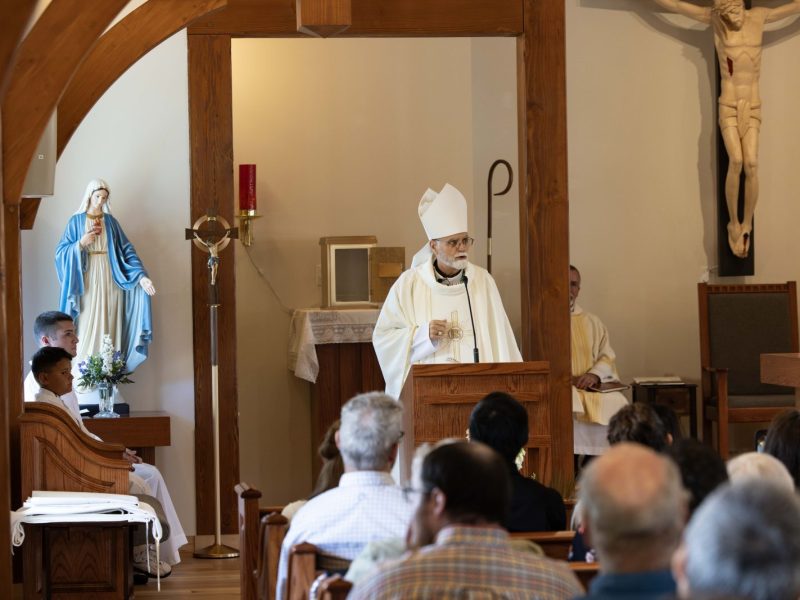
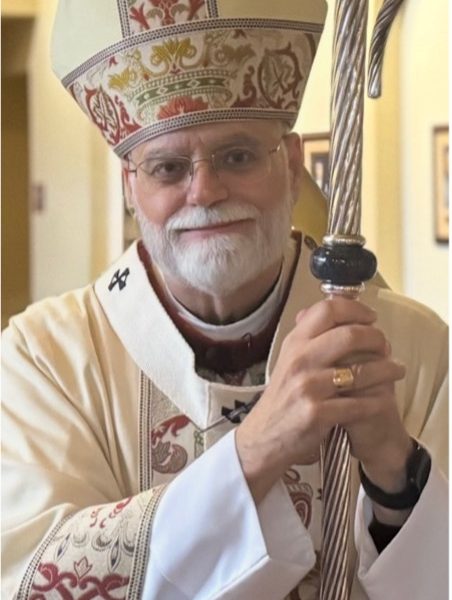
'Saint Vincent de Paul Feast Day: September 27th | San Vicente de Paúl Festividad: 27 de septiembre'
Be the first to comment on this post!has no comments